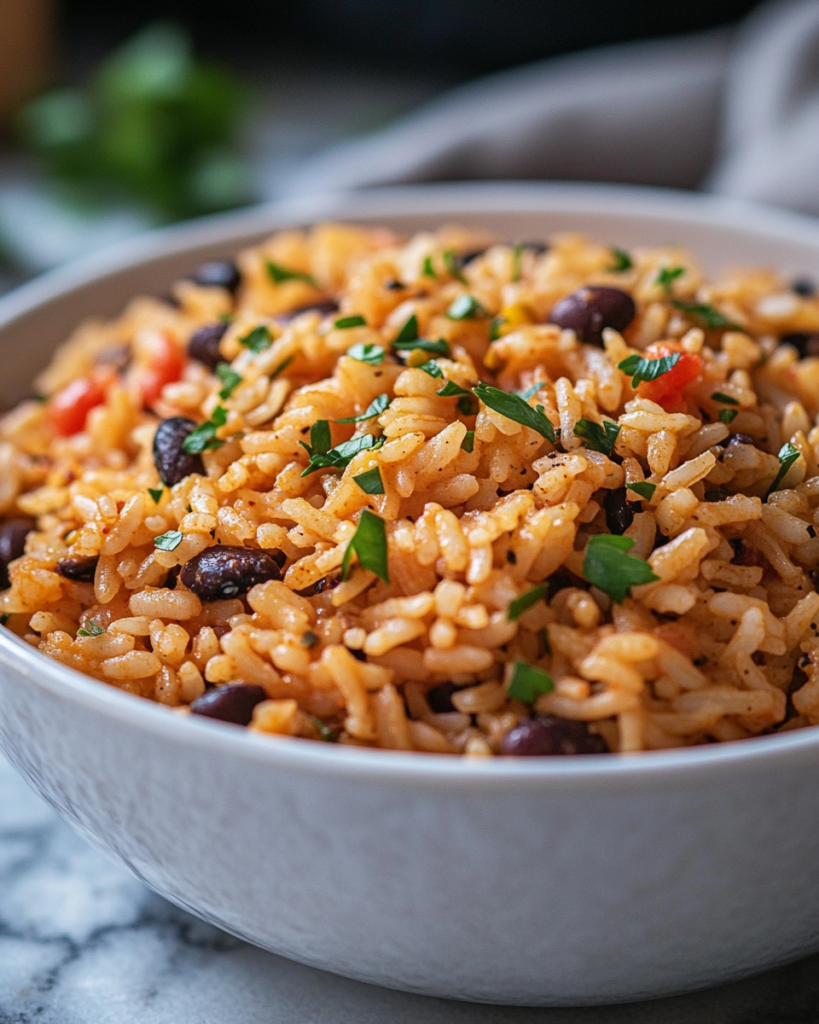
Seasoned Rice and Beans Bowl 30 Simple Easy Bowl

Posted on

Uncategorized

Difficulty

Prep time

Cooking time

Total time

Servings

Beans bring a creamy, earthy contrast. Black beans or pinto beans both work, each contributing a mild nuttiness and soft bite that balances the rice. When combined, these two ingredients form a complete protein profile, which adds substance to the bowl.

Aromatic vegetables such as onion and garlic create depth. Onion softens during cooking and adds gentle sweetness, while garlic brings sharp, savory notes that blend into the grains.

Spices define the character of this dish. Ground cumin adds warmth, smoked paprika introduces subtle depth, and chili powder gives a gentle kick. Salt binds all elements together, highlighting natural flavors without overpowering them.

A small amount of oil helps carry the spices and prevents sticking during the cooking process. Vegetable broth or water is used for cooking the rice, though broth adds a richer undertone.

Fresh herbs like cilantro or parsley are often added at the end for brightness. Lime juice or lemon juice can also be included for acidity, balancing the starch and spice.

Optional additions include corn, diced tomatoes, or sautéed peppers. These ingredients increase texture variety and bring color to the bowl without changing the core structure of the dish.

Ingredients
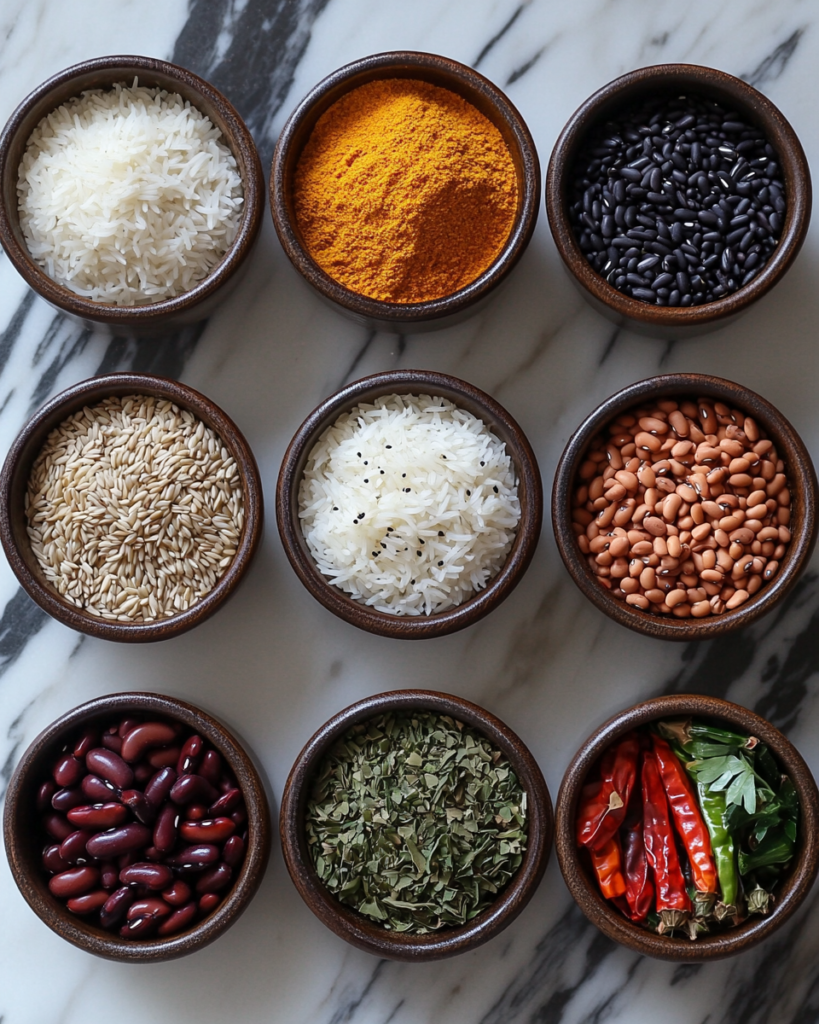
1 cup long-grain white rice
2 cups vegetable broth or water
1 tablespoon vegetable oil
1 small onion, finely chopped
2 cloves garlic, minced
1 teaspoon ground cumin
1 teaspoon smoked paprika
1/2 teaspoon chili powder
1/2 teaspoon salt
1/4 teaspoon black pepper
1 can (15 oz) black beans, drained and rinsed
1/2 cup corn kernels (optional)
1 small tomato, diced (optional)
2 tablespoons chopped cilantro or parsley
1 tablespoon lime juice

Step-by-Step Instructions
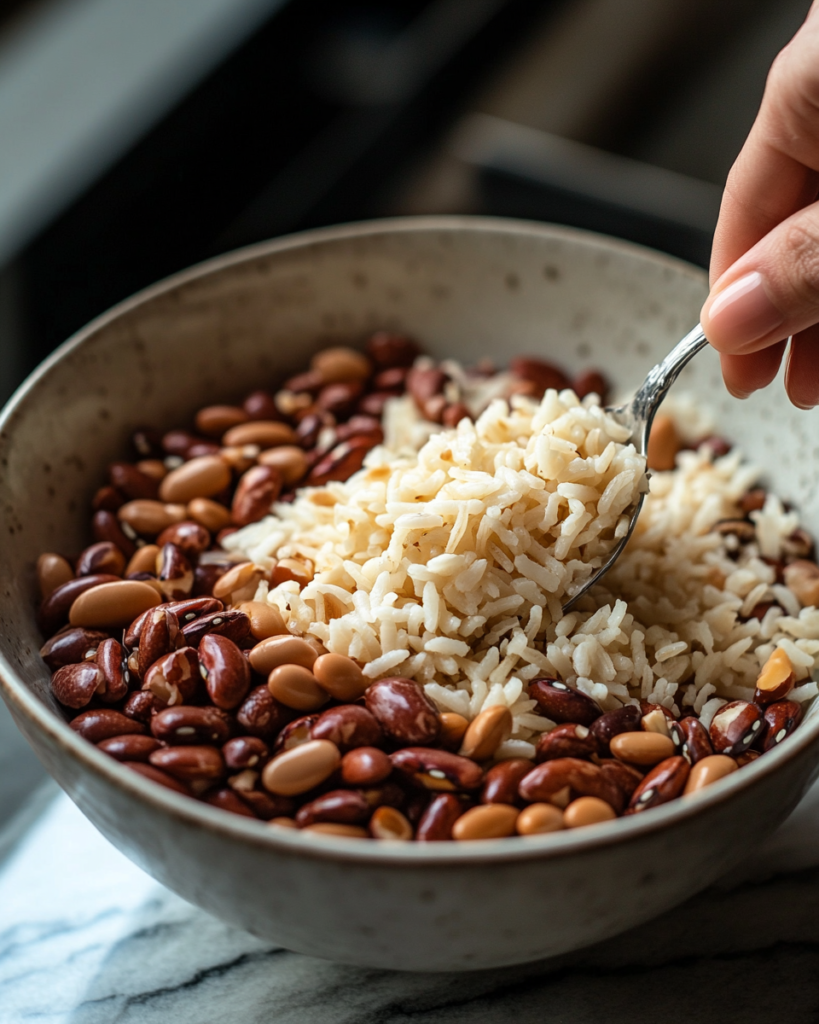
Begin by rinsing the rice under cold water until the water runs mostly clear. This removes excess starch and supports a lighter texture after cooking. Set the rice aside to drain fully.

Place a medium saucepan over medium heat and add vegetable oil. Once the oil warms, add chopped onion. Stir until the onion softens and becomes translucent, releasing a mild aroma. Add minced garlic and stir briefly until fragrant.

Sprinkle in cumin, smoked paprika, chili powder, salt, and black pepper. Stir continuously so the spices coat the onion and garlic evenly. This step helps release deeper flavor from the spices before liquid is added.

Add the rice to the pan. Stir so each grain becomes lightly coated with the seasoned mixture. This coating step helps distribute flavor throughout the dish instead of leaving seasoning on the surface.

Pour in vegetable broth or water. Raise heat until the liquid begins to boil, then reduce to low heat. Cover the saucepan with a lid and allow the rice to cook gently until liquid is absorbed and grains become tender.

Avoid lifting the lid repeatedly during cooking, since steam is required for even texture. When liquid is fully absorbed, remove the pan from heat and let it rest for a short period while still covered.

Fluff the rice gently with a fork. Add black beans and corn if included. Stir slowly so beans remain intact while warming through the rice.

Fold in diced tomato and fresh herbs. These ingredients add freshness and contrast against the warm rice and beans.

Finish with lime juice, stirring lightly to distribute acidity throughout the bowl. Taste and adjust seasoning if necessary.

The final texture should be soft yet separate grains of rice, creamy beans, and small bursts of vegetable freshness throughout.

Tips, Variations & Substitutions

Brown rice can replace white rice for a firmer texture and deeper nutty flavor. Cooking duration will be longer, and additional liquid may be required.

For added protein, cooked lentils can be mixed in with beans. Chickpeas also work well and bring a slightly firmer bite.

Smoked paprika can be swapped with regular paprika if a milder profile is preferred. For stronger heat, cayenne pepper can be added in small amounts.

Vegetable broth contributes more depth than water, though water still produces a clean, balanced result.

A small amount of butter or plant-based spread can be stirred in at the end for a softer mouthfeel.

For texture variety, sautéed bell peppers or zucchini can be added during the onion stage. Frozen vegetable mixes also work when fresh produce is limited.

Herb choices can shift the final flavor profile. Cilantro creates a brighter finish, while parsley gives a more neutral herbal tone.

Serving Ideas & Occasions

This rice and beans bowl fits well as a stand-alone meal due to its balanced structure of grains, legumes, and seasoning. It pairs well with simple side dishes like sliced avocado, roasted vegetables, or a light salad.

It can also accompany grilled vegetables or plant-based protein dishes. A drizzle of hot sauce or creamy dressing can be added for extra contrast.

This dish is often prepared for weekday meals because of its straightforward preparation and pantry-friendly ingredients. It also works well for batch cooking and portioned storage for later meals.

Warm or room temperature presentation both work, depending on preference. The bowl adapts easily to different meal settings without losing its core character.

Nutritional & Health Notes

Rice provides carbohydrates that support steady energy. Beans contribute plant-based protein and fiber, which support fullness and digestion.

Spices such as cumin and paprika add flavor without significant calories. Garlic and onion provide natural aromatic compounds that enhance overall taste.

This bowl contains a balanced mix of macronutrients when portioned with beans and rice in equal measure. Adding vegetables increases micronutrient variety, including vitamins and minerals.

Oil contributes fat content, which assists in carrying spice flavor and supporting satiety. Portion control allows flexibility depending on dietary goals.

FAQs

Can different beans be used in this bowl?

Yes, several bean types work well in this dish. Black beans, pinto beans, and kidney beans all provide slightly different textures and flavors. Black beans offer a softer bite, while pinto beans give a creamier consistency. Kidney beans hold a firmer structure. All options blend smoothly with seasoned rice, so selection can be based on pantry availability or personal preference.

Can brown rice replace white rice?

Brown rice can be used as an alternative. It provides a firmer texture and a deeper nutty flavor compared to white rice. Cooking requires a longer duration and slightly more liquid. The seasoning profile remains effective, though absorption may vary. Resting after cooking helps soften grains and improve consistency before combining with beans.

Is canned beans suitable for this dish?

Canned beans work well and reduce preparation effort. They only require draining and rinsing before use. This removes excess sodium and improves texture. Once added to the warm rice, they absorb seasoning from the dish. Dried beans can also be used, but they require soaking and longer cooking prior to mixing.

Can vegetables be added during cooking?

Yes, vegetables can be included at different stages. Onions and garlic form the base flavor. Bell peppers, corn, and tomatoes can be added later for texture and color. Frozen vegetables also work well and can be stirred in during the final cooking stage. This increases variety without altering the core structure of the dish.

What can be used instead of vegetable broth?

Water can replace vegetable broth without affecting cooking performance. Broth adds additional depth, but water keeps the flavor profile neutral. For added seasoning, extra spices or a pinch of salt can be included when using water. Tomato-based liquid can also be used for a slightly richer taste.

How can spice levels be adjusted?

Spice levels can be adjusted by controlling chili powder or adding mild peppers. For a gentle profile, reduce chili powder and rely mainly on cumin and paprika. For stronger heat, cayenne pepper or hot sauce can be added after cooking. Adjustments can be made gradually to match preference.

Can this dish be stored for later meals?

Yes, this rice and beans bowl stores well after cooking. It holds texture and flavor when kept in a sealed container under refrigeration. Reheating can be done on a stovetop or microwave with a small amount of added liquid to restore moisture. This makes it suitable for multiple meals across several days.

[rank_math_breadcrumb]

Seasoned Rice and Beans Bowl 30 Simple Easy Bowl

Photo of author
Author: Madison
Published:

Beans bring a creamy, earthy contrast. Black beans or pinto beans both work, each contributing a mild nuttiness and soft bite that balances the rice. When combined, these two ingredients form a complete protein profile, which adds substance to the bowl.

Aromatic vegetables such as onion and garlic create depth. Onion softens during cooking and adds gentle sweetness, while garlic brings sharp, savory notes that blend into the grains.

Spices define the character of this dish. Ground cumin adds warmth, smoked paprika introduces subtle depth, and chili powder gives a gentle kick. Salt binds all elements together, highlighting natural flavors without overpowering them.

A small amount of oil helps carry the spices and prevents sticking during the cooking process. Vegetable broth or water is used for cooking the rice, though broth adds a richer undertone.

Fresh herbs like cilantro or parsley are often added at the end for brightness. Lime juice or lemon juice can also be included for acidity, balancing the starch and spice.

Optional additions include corn, diced tomatoes, or sautéed peppers. These ingredients increase texture variety and bring color to the bowl without changing the core structure of the dish.

Ingredients

1 cup long-grain white rice
2 cups vegetable broth or water
1 tablespoon vegetable oil
1 small onion, finely chopped
2 cloves garlic, minced
1 teaspoon ground cumin
1 teaspoon smoked paprika
1/2 teaspoon chili powder
1/2 teaspoon salt
1/4 teaspoon black pepper
1 can (15 oz) black beans, drained and rinsed
1/2 cup corn kernels (optional)
1 small tomato, diced (optional)
2 tablespoons chopped cilantro or parsley
1 tablespoon lime juice

Step-by-Step Instructions

Begin by rinsing the rice under cold water until the water runs mostly clear. This removes excess starch and supports a lighter texture after cooking. Set the rice aside to drain fully.

Place a medium saucepan over medium heat and add vegetable oil. Once the oil warms, add chopped onion. Stir until the onion softens and becomes translucent, releasing a mild aroma. Add minced garlic and stir briefly until fragrant.

Sprinkle in cumin, smoked paprika, chili powder, salt, and black pepper. Stir continuously so the spices coat the onion and garlic evenly. This step helps release deeper flavor from the spices before liquid is added.

Add the rice to the pan. Stir so each grain becomes lightly coated with the seasoned mixture. This coating step helps distribute flavor throughout the dish instead of leaving seasoning on the surface.

Pour in vegetable broth or water. Raise heat until the liquid begins to boil, then reduce to low heat. Cover the saucepan with a lid and allow the rice to cook gently until liquid is absorbed and grains become tender.

Avoid lifting the lid repeatedly during cooking, since steam is required for even texture. When liquid is fully absorbed, remove the pan from heat and let it rest for a short period while still covered.

Fluff the rice gently with a fork. Add black beans and corn if included. Stir slowly so beans remain intact while warming through the rice.

Fold in diced tomato and fresh herbs. These ingredients add freshness and contrast against the warm rice and beans.

Finish with lime juice, stirring lightly to distribute acidity throughout the bowl. Taste and adjust seasoning if necessary.

The final texture should be soft yet separate grains of rice, creamy beans, and small bursts of vegetable freshness throughout.

Tips, Variations & Substitutions

Brown rice can replace white rice for a firmer texture and deeper nutty flavor. Cooking duration will be longer, and additional liquid may be required.

For added protein, cooked lentils can be mixed in with beans. Chickpeas also work well and bring a slightly firmer bite.

Smoked paprika can be swapped with regular paprika if a milder profile is preferred. For stronger heat, cayenne pepper can be added in small amounts.

Vegetable broth contributes more depth than water, though water still produces a clean, balanced result.

A small amount of butter or plant-based spread can be stirred in at the end for a softer mouthfeel.

For texture variety, sautéed bell peppers or zucchini can be added during the onion stage. Frozen vegetable mixes also work when fresh produce is limited.

Herb choices can shift the final flavor profile. Cilantro creates a brighter finish, while parsley gives a more neutral herbal tone.

Serving Ideas & Occasions

This rice and beans bowl fits well as a stand-alone meal due to its balanced structure of grains, legumes, and seasoning. It pairs well with simple side dishes like sliced avocado, roasted vegetables, or a light salad.

It can also accompany grilled vegetables or plant-based protein dishes. A drizzle of hot sauce or creamy dressing can be added for extra contrast.

This dish is often prepared for weekday meals because of its straightforward preparation and pantry-friendly ingredients. It also works well for batch cooking and portioned storage for later meals.

Warm or room temperature presentation both work, depending on preference. The bowl adapts easily to different meal settings without losing its core character.

Nutritional & Health Notes

Rice provides carbohydrates that support steady energy. Beans contribute plant-based protein and fiber, which support fullness and digestion.

Spices such as cumin and paprika add flavor without significant calories. Garlic and onion provide natural aromatic compounds that enhance overall taste.

This bowl contains a balanced mix of macronutrients when portioned with beans and rice in equal measure. Adding vegetables increases micronutrient variety, including vitamins and minerals.

Oil contributes fat content, which assists in carrying spice flavor and supporting satiety. Portion control allows flexibility depending on dietary goals.

FAQs

Can different beans be used in this bowl?

Yes, several bean types work well in this dish. Black beans, pinto beans, and kidney beans all provide slightly different textures and flavors. Black beans offer a softer bite, while pinto beans give a creamier consistency. Kidney beans hold a firmer structure. All options blend smoothly with seasoned rice, so selection can be based on pantry availability or personal preference.

Can brown rice replace white rice?

Brown rice can be used as an alternative. It provides a firmer texture and a deeper nutty flavor compared to white rice. Cooking requires a longer duration and slightly more liquid. The seasoning profile remains effective, though absorption may vary. Resting after cooking helps soften grains and improve consistency before combining with beans.

Is canned beans suitable for this dish?

Canned beans work well and reduce preparation effort. They only require draining and rinsing before use. This removes excess sodium and improves texture. Once added to the warm rice, they absorb seasoning from the dish. Dried beans can also be used, but they require soaking and longer cooking prior to mixing.

Can vegetables be added during cooking?

Yes, vegetables can be included at different stages. Onions and garlic form the base flavor. Bell peppers, corn, and tomatoes can be added later for texture and color. Frozen vegetables also work well and can be stirred in during the final cooking stage. This increases variety without altering the core structure of the dish.

What can be used instead of vegetable broth?

Water can replace vegetable broth without affecting cooking performance. Broth adds additional depth, but water keeps the flavor profile neutral. For added seasoning, extra spices or a pinch of salt can be included when using water. Tomato-based liquid can also be used for a slightly richer taste.

How can spice levels be adjusted?

Spice levels can be adjusted by controlling chili powder or adding mild peppers. For a gentle profile, reduce chili powder and rely mainly on cumin and paprika. For stronger heat, cayenne pepper or hot sauce can be added after cooking. Adjustments can be made gradually to match preference.

Can this dish be stored for later meals?

Yes, this rice and beans bowl stores well after cooking. It holds texture and flavor when kept in a sealed container under refrigeration. Reheating can be done on a stovetop or microwave with a small amount of added liquid to restore moisture. This makes it suitable for multiple meals across several days.
Name

Lorem ipsum dolor sit amet, consectetur adipiscing elit. Suspendisse varius enim in eros elementum tristique. Duis cursus, mi quis viverra ornare, eros dolor interdum nulla, ut commodo diam libero vitae erat.

You Might Also Like...

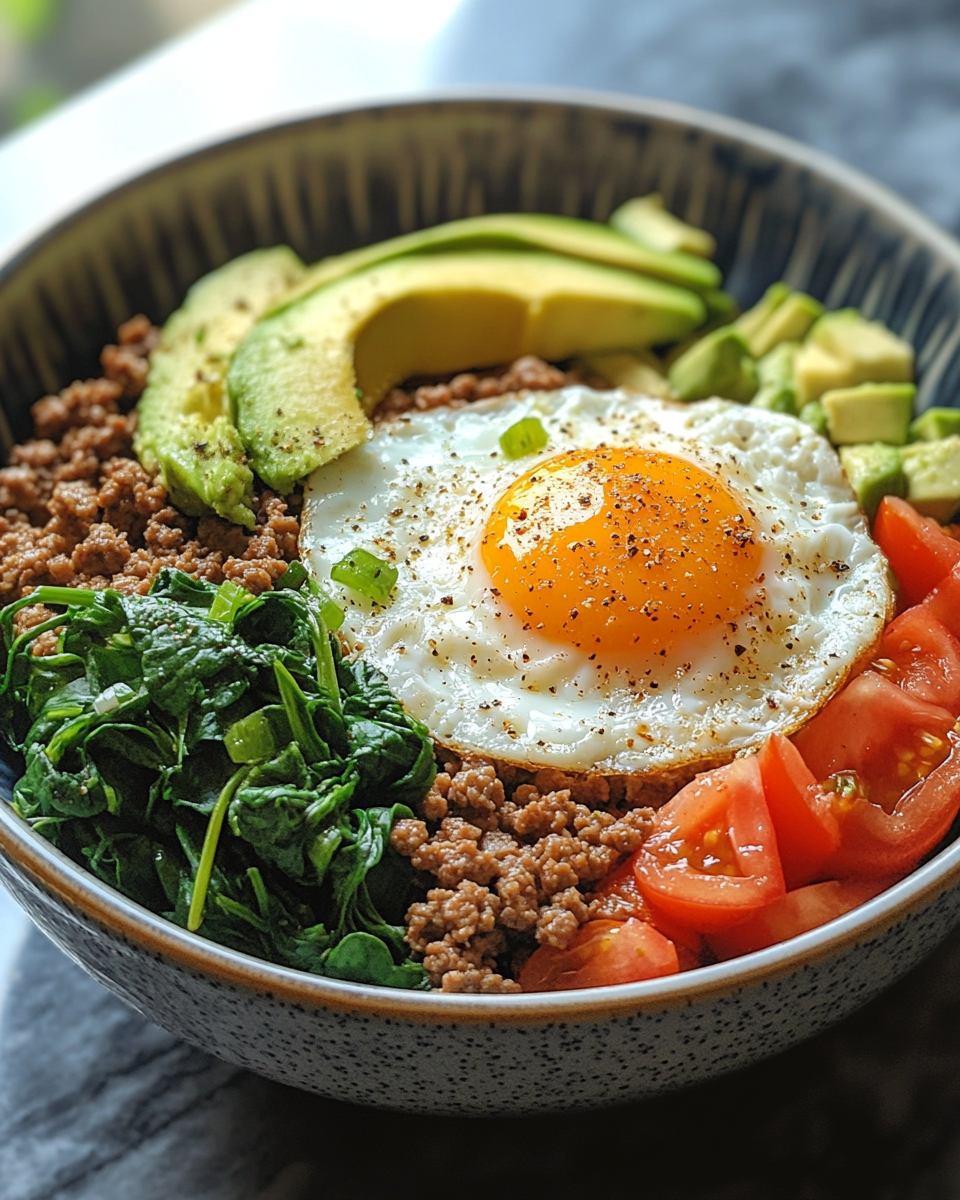
Healthy Ground Beef Egg Bowl (High Protein) 2 Simple Fresh

Healthy Ground Beef Egg Bowl (High Protein) 2 Simple Fresh

Healthy Ground Beef Wrap (Quick & Easy) 5 Simple Delicious Wraps

Healthy Ground Beef Wrap (Quick & Easy) 5 Simple Delicious Wraps

Easy Ground Beef Rice Bowl Recipe 5 Simple Savory

Easy Ground Beef Rice Bowl Recipe 5 Simple Savory

High Protein Ground Beef Pasta Meal 5 Simple Hidden

High Protein Ground Beef Pasta Meal 5 Simple Hidden

Tags:

You might also like these recipes

Leave a Comment