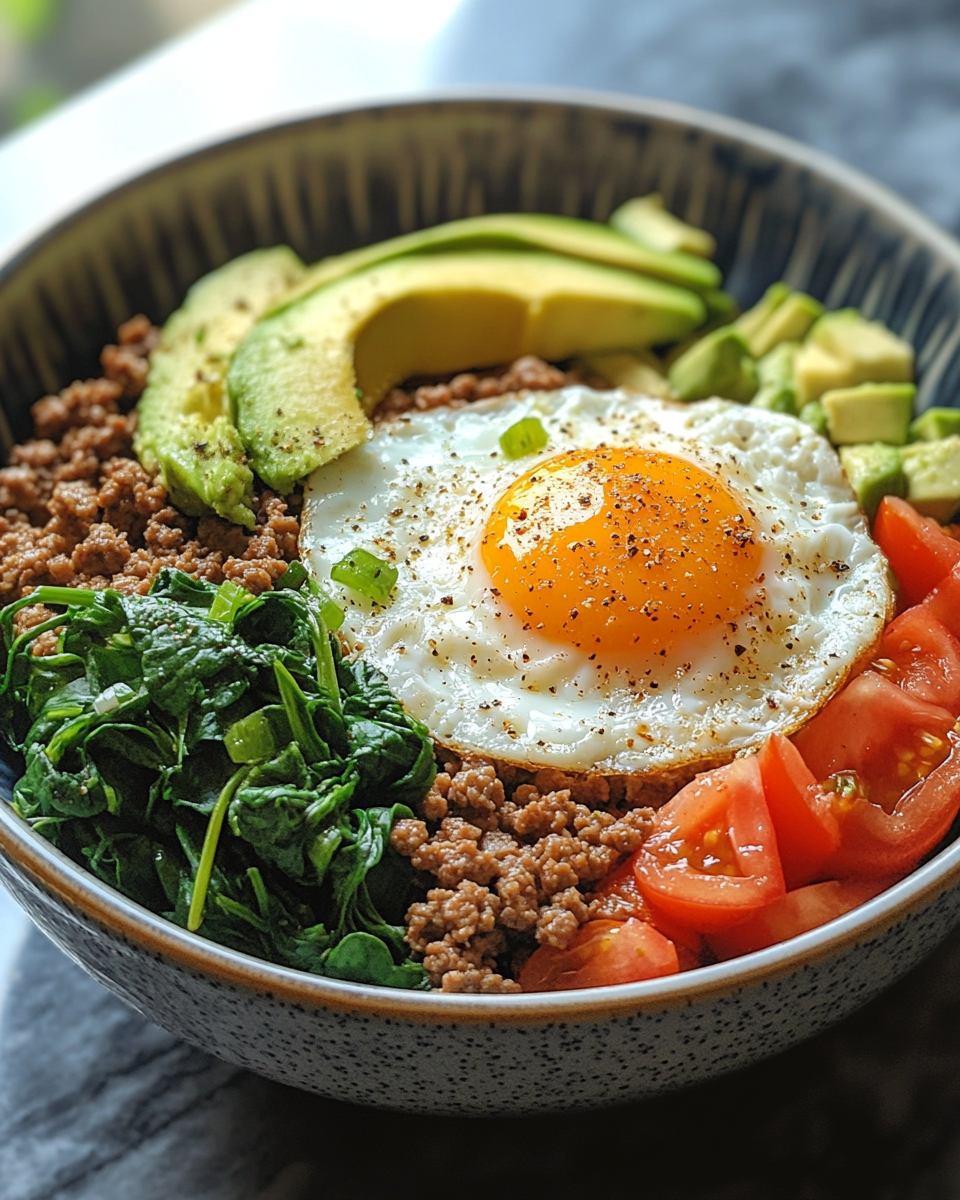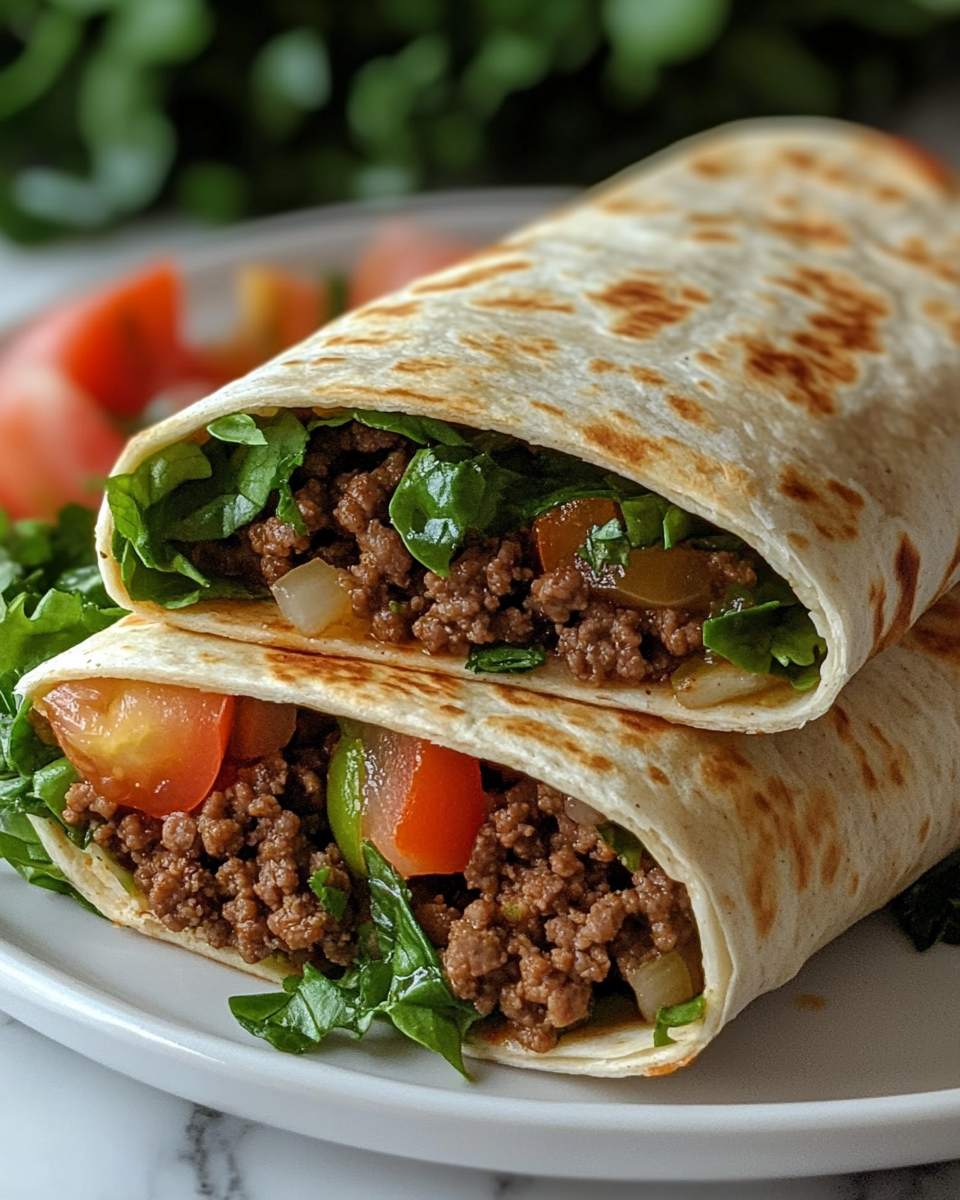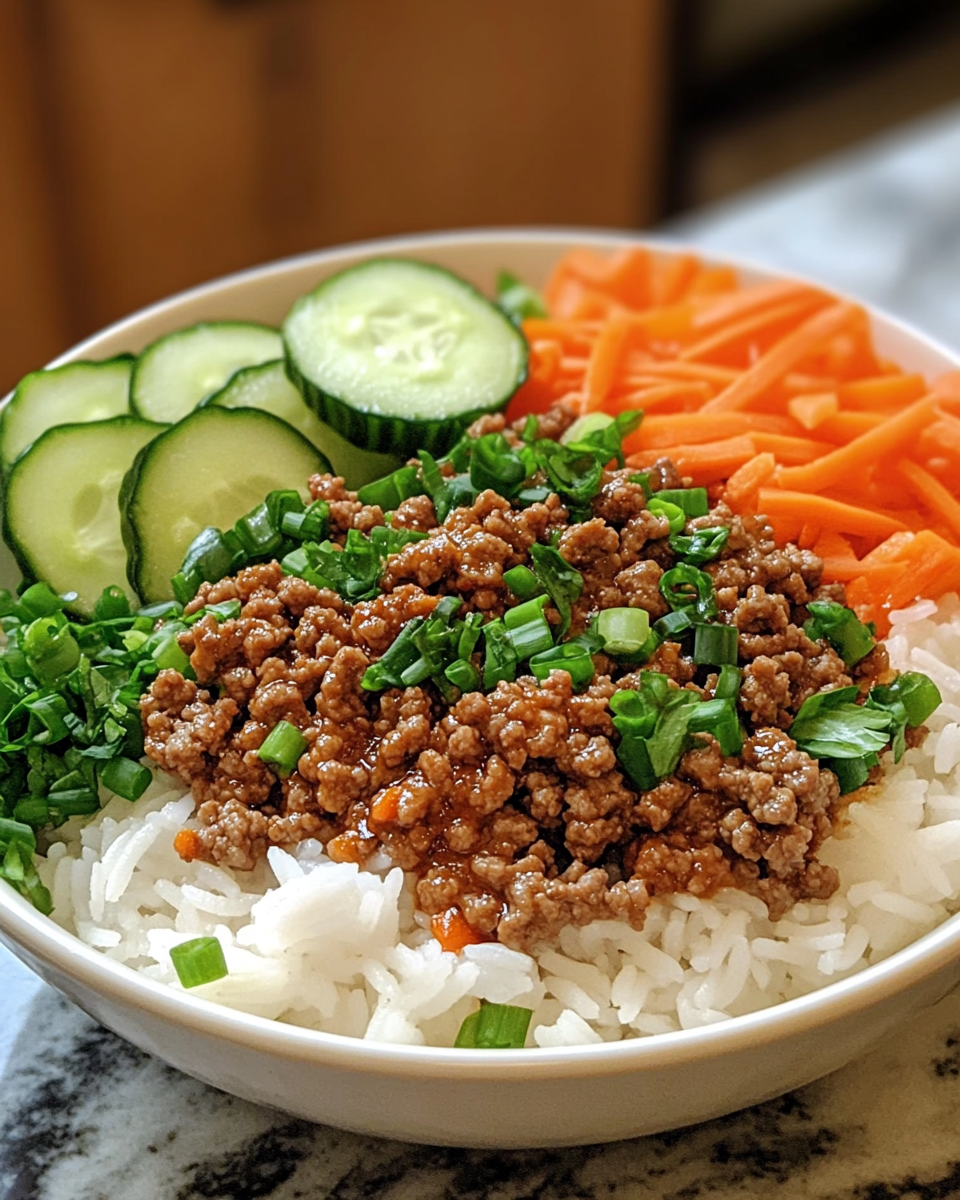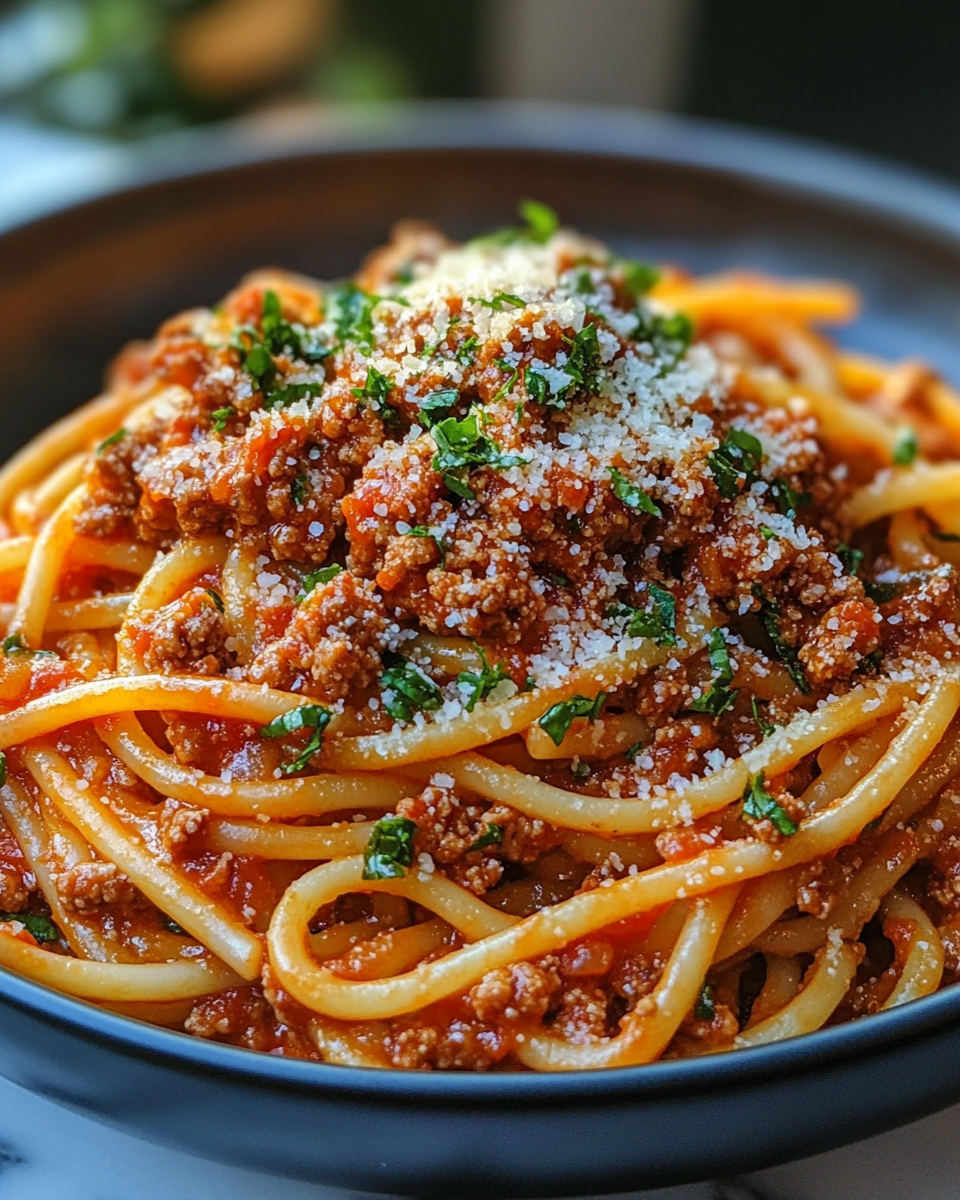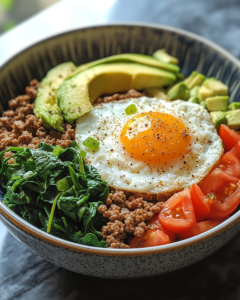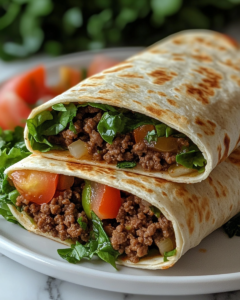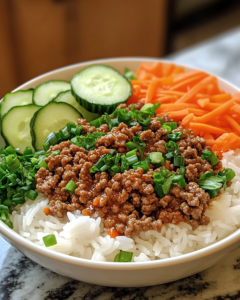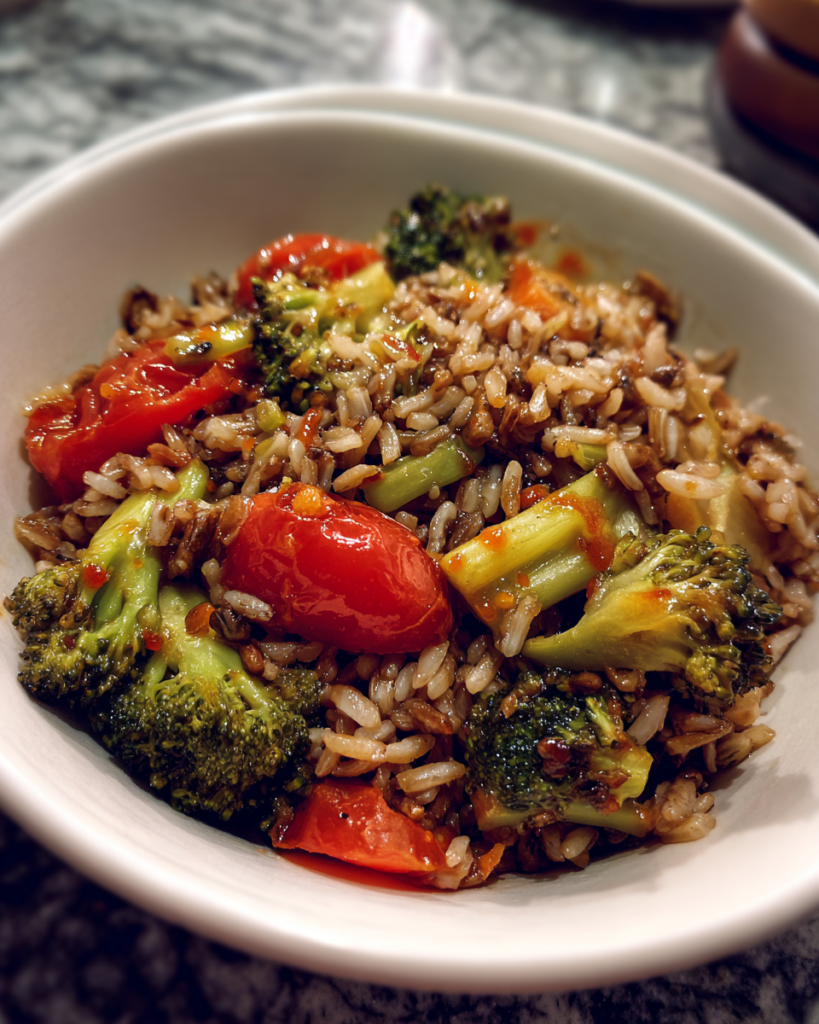
A quick vegetable rice bowl is one of those everyday meals that brings together simplicity, comfort, and practical cooking in a single bowl. The combination of soft rice, lightly seasoned vegetables, and a savory sauce makes it ideal for busy days when you want something filling without spending much.
This recipe focuses on budget-friendly ingredients that are easy to find in most kitchens. It works well as a weekday lunch, a light dinner, or even a meal prep option for the week. Each component cooks quickly and comes together in a balanced way that keeps the dish satisfying and versatile.
The appeal of a vegetable rice bowl lies in its flexibility. You can mix different vegetables based on what you already have, adjust seasoning to match your taste, and still end up with a warm and comforting meal. The method is straightforward, making it suitable for beginners as well as experienced home cooks looking for a reliable staple.
Ingredients Overview
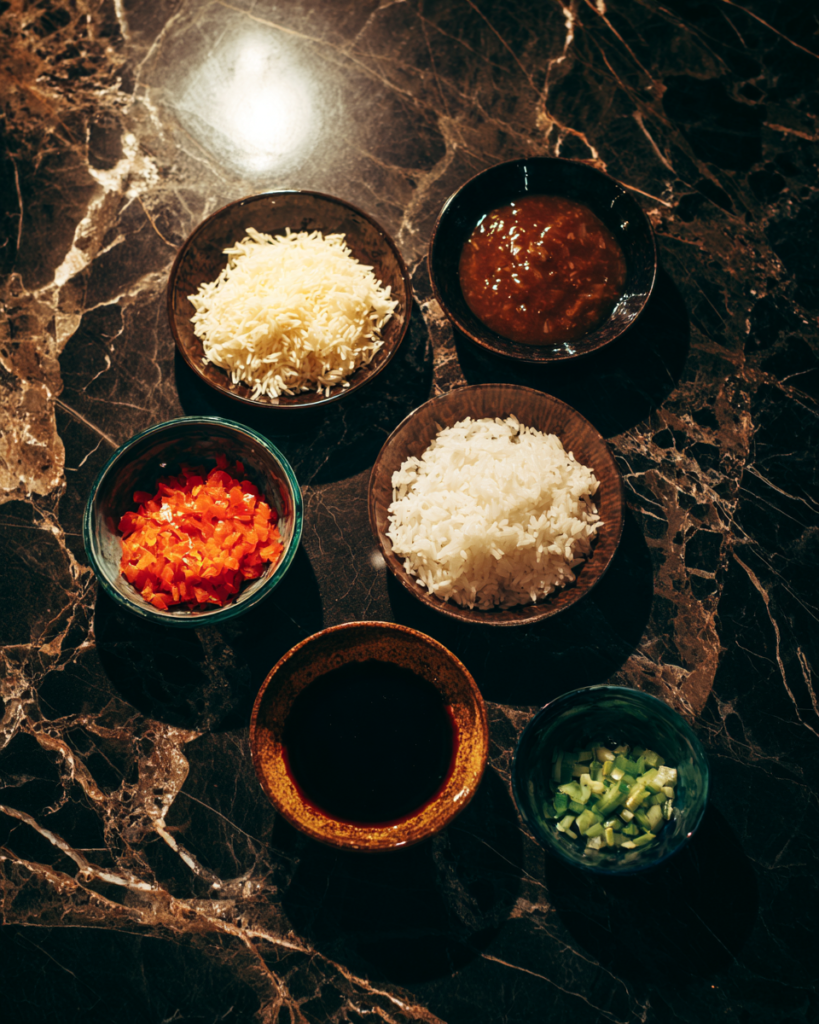
The base of this rice bowl is simple steamed rice, which provides a neutral foundation that absorbs flavor from the vegetables and sauce. Long-grain white rice works well, but jasmine or even leftover cooked rice can also be used depending on what is available.
Vegetables bring color, texture, and natural sweetness to the dish. Common choices include carrots, cabbage, bell peppers, and peas. These cook quickly and maintain a slight crunch, which contrasts nicely with the softness of the rice. Frozen vegetables are also a practical option when fresh produce is limited.
Aromatics such as garlic and onion form the flavor base. When lightly sautéed, they add depth and a warm savory note that ties everything together. Soy sauce provides saltiness and umami, while a small amount of oil helps carry the flavor throughout the dish.
You can adjust the vegetables based on season or preference. Zucchini, green beans, corn, or mushrooms all work well. If you want more protein, adding a fried egg, tofu, or beans is a simple option without changing the core structure of the recipe.
Ingredients
2 cups cooked white rice
1 tablespoon vegetable oil
1 small onion, finely chopped
2 cloves garlic, minced
1 medium carrot, sliced thin
1/2 cup cabbage, shredded
1/2 cup bell pepper, sliced
1/3 cup green peas (fresh or frozen)
2 tablespoons soy sauce
1/2 teaspoon salt
1/4 teaspoon black pepper
1/2 teaspoon paprika
1 tablespoon water (optional for sauce balance)
1 teaspoon sesame oil (optional for finishing)
Step-by-Step Instructions
Start by preparing all vegetables before cooking. Slice the carrot, chop the onion, mince the garlic, and cut the bell pepper into thin strips. Having everything ready helps the cooking process move smoothly since this dish comes together quickly over heat.
Heat a large pan over medium heat and add vegetable oil. Once the oil is warm, add chopped onion and sauté for about 2–3 minutes until it turns soft and slightly translucent. Add garlic next and cook for another 30 seconds, stirring gently to prevent it from browning too fast.
Add the sliced carrot to the pan first since it takes slightly longer to soften. Cook for about 2 minutes, stirring occasionally. Then add bell pepper, cabbage, and peas. Stir everything together so the vegetables begin to cook evenly while still keeping a bit of crunch.
Sprinkle in salt, black pepper, and paprika. Stir well so the seasoning coats all the vegetables evenly. If the pan feels dry, add a tablespoon of water to help soften the vegetables slightly and prevent sticking.
Add soy sauce and continue cooking for another 2–3 minutes. The vegetables should become tender but still hold their shape. Avoid overcooking, as the texture is important for balance in the rice bowl.
Add the cooked rice directly into the pan. Mix thoroughly so the rice absorbs the seasoning and blends with the vegetables. Break up any clumps so everything is evenly distributed.
Taste and adjust seasoning if needed. Turn off the heat and drizzle sesame oil on top if using. This adds a mild nutty aroma that completes the dish.
Serve warm in bowls, making sure each portion has a good mix of rice and vegetables.
Tips, Variations & Substitutions
This rice bowl works best when vegetables are cut into similar sizes so they cook evenly. If using harder vegetables like broccoli or green beans, give them a few extra minutes in the pan before adding softer ingredients.
Leftover rice is ideal because it has a slightly firmer texture that holds up well during stir-frying. Freshly cooked rice can also be used, but letting it cool slightly helps prevent it from becoming too soft.
For added protein, scrambled egg can be mixed directly into the rice, or tofu cubes can be pan-fried and added at the end. Chickpeas or lentils also work well if you prefer plant-based options with more substance.
Flavor variations can include adding chili flakes for heat, a splash of vinegar for mild tang, or a bit of grated ginger for warmth. Each adjustment gives the dish a slightly different character while keeping the core method the same.
Serving Ideas & Occasions
This vegetable rice bowl pairs well with simple sides like a light soup or fresh salad. It also works nicely with pickled vegetables for added contrast in flavor.
It is commonly served as a quick lunch or a light dinner because it is filling without feeling heavy. It also fits well into meal prep routines since it stores and reheats easily.
For a more complete meal, it can be topped with a fried egg or served alongside grilled protein. The simplicity of the bowl allows it to adapt to many different dining situations without extra effort.
Nutritional & Health Notes
This dish provides a balanced mix of carbohydrates, fiber, and essential vitamins from the vegetables. Rice offers energy, while vegetables contribute nutrients such as vitamin A, vitamin C, and potassium.
Using a moderate amount of oil keeps the dish light while still carrying flavor. Soy sauce adds sodium, so it can be adjusted based on dietary needs.
Because the recipe is vegetable-heavy, it naturally supports a balanced eating pattern. Adding protein such as egg or tofu can make it more complete as a main meal without changing the structure.
FAQs
Can I use brown rice instead of white rice?
Brown rice works well in this recipe and adds a slightly nutty flavor along with more fiber. It does take longer to cook, so it should be prepared ahead of time before starting the vegetable sauté. Once cooked, it behaves similarly in the pan and absorbs the seasoning effectively. The texture is firmer than white rice, which some people prefer for added chewiness. It also makes the dish more filling, especially for lunch or dinner portions.
Can frozen vegetables be used?
Frozen vegetables are a practical option and work very well in this rice bowl. They reduce preparation time since they do not need peeling or chopping. When using frozen vegetables, add them directly to the pan without thawing. They may release some water during cooking, so allow a bit of extra time for it to evaporate. The final texture remains good, and the flavor blends well with the seasoning and rice.
How do I keep the rice from becoming mushy?
To avoid mushy rice, use rice that has cooled slightly or was cooked earlier. Freshly cooked rice can be too soft and sticky for stir-frying. Spreading the rice on a tray for a few minutes helps release excess moisture. When adding it to the pan, stir gently rather than pressing it down. This keeps the grains separate and maintains a pleasant texture throughout the dish.
Can I make this recipe oil-free?
Yes, this recipe can be made without oil by using a non-stick pan and adding small amounts of water when sautéing vegetables. The flavor will be lighter, but the seasoning from soy sauce and spices will still come through. Garlic and onion can be softened in water instead of oil. While the texture may differ slightly, the dish remains satisfying and suitable for lower-fat cooking preferences.
What vegetables work best in this bowl?
Carrots, cabbage, bell peppers, peas, and onions work especially well because they cook quickly and provide a mix of textures. Mushrooms, zucchini, corn, and green beans are also good additions. The key is to balance softer vegetables with slightly firmer ones so the final dish is not too uniform. Using a mix of colors also improves both appearance and flavor variety.
Can I prepare this ahead of time?
Yes, this rice bowl is suitable for meal preparation. It stores well in airtight containers in the refrigerator for up to three days. When reheating, a small splash of water can help restore moisture. The flavors often deepen after resting, making it even more enjoyable the next day. It is a convenient option for packed lunches or quick dinners during busy schedules.
What protein can I add to this recipe?
Several protein options work well with this rice bowl. Fried or scrambled eggs are the simplest addition and blend easily with the rice. Tofu is another excellent choice, especially when lightly pan-fried for texture. Chickpeas or lentils can also be added for a plant-based boost. If using animal protein, small pieces of cooked chicken or shrimp can be mixed in without changing the core flavor balance.
………………..