Simple Veggie Rice Stir Fry 7 Easy Cozy Bowl

Posted on

Uncategorized

Difficulty

Prep time

Cooking time

Total time

Servings

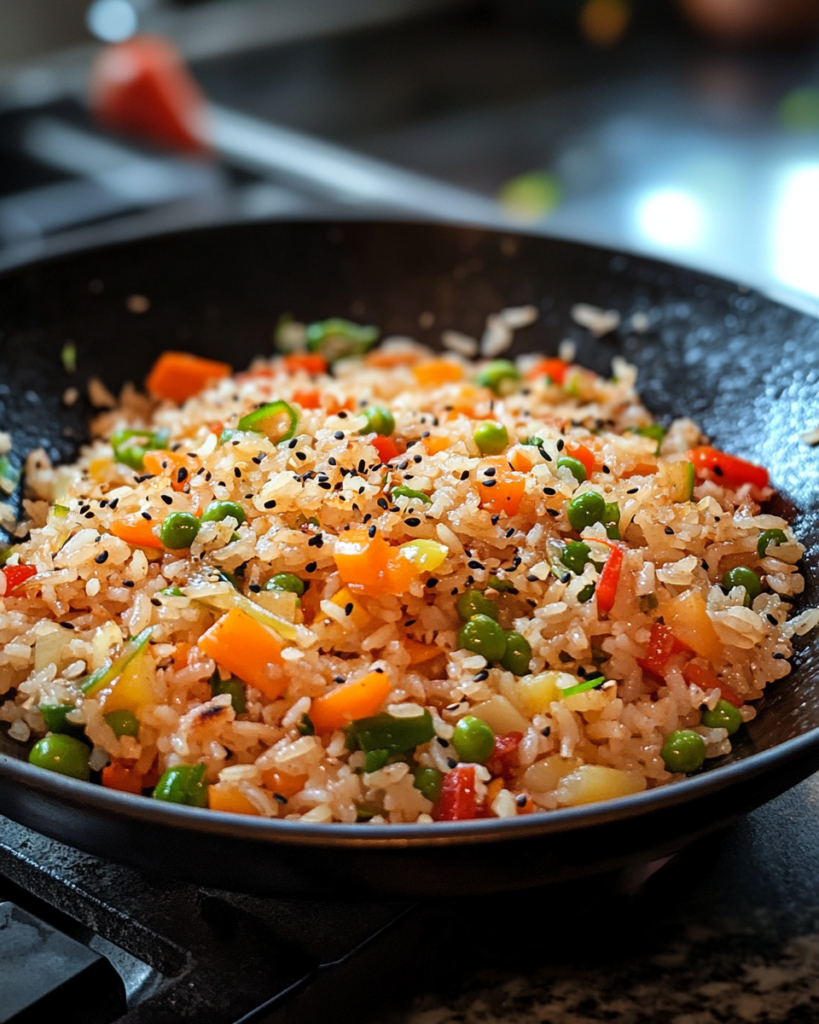
Simple Veggie Rice Stir Fry (Budget Friendly) arrives as a warm, colorful rice dish packed with everyday vegetables and pan-tossed flavor. This dish fits a busy kitchen where basic pantry items turn into a filling plate with minimal effort and cost. Cooked rice meets crisp vegetables in a hot pan, creating a mix of textures that works for lunch or dinner.

This recipe keeps preparation straightforward while still delivering a satisfying meal that feels complete on its own. Each bite brings soft rice, tender vegetables, and a light savory coating that ties everything together. It works well for using leftover rice and common produce found in most kitchens.

Ingredients Overview
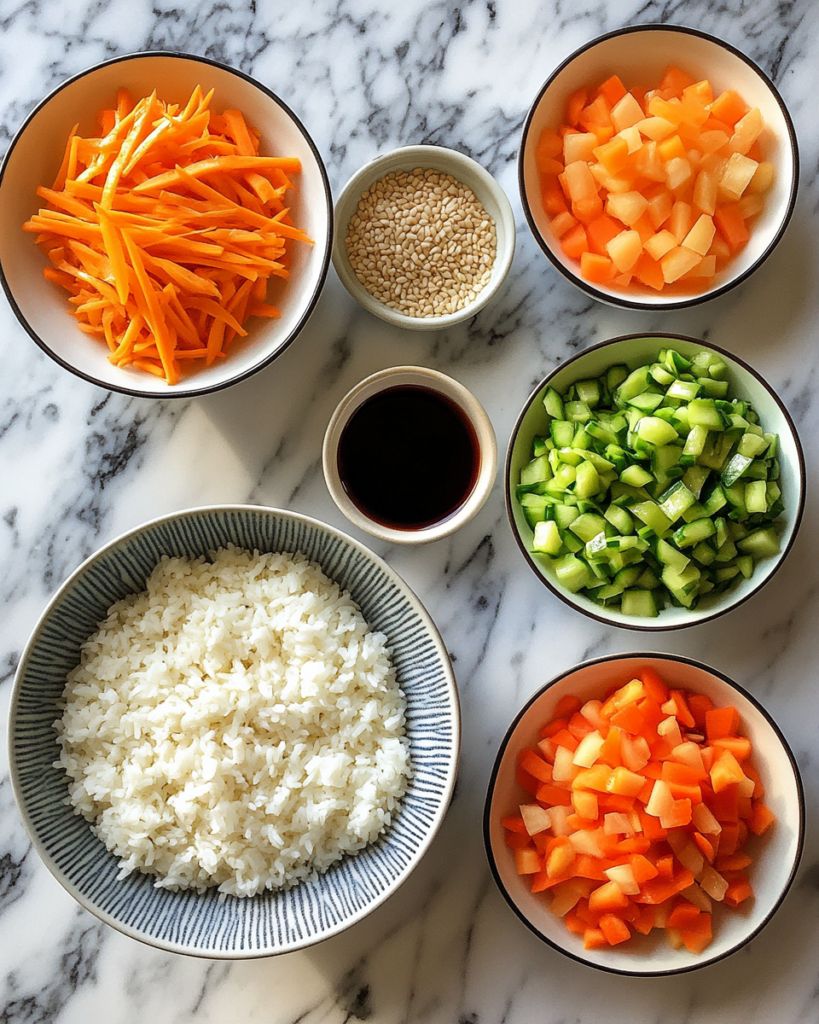
This veggie rice stir fry relies on cooked rice as the foundation. Day-old rice works especially well because the grains stay separate and do not turn mushy in the pan. Freshly cooked rice can be used after cooling on a tray so excess moisture reduces.

Vegetables bring color, texture, and natural sweetness. Carrots add gentle crunch, bell peppers bring mild brightness, peas offer soft pops of texture, and onions provide depth when cooked until slightly golden. You can adjust vegetable choices based on what is available, such as corn, green beans, or cabbage.

Garlic and ginger create aromatic depth. They cook quickly in oil and form the base layer of flavor before the vegetables enter the pan. Soy sauce adds savory saltiness and helps coat the rice evenly. A small amount of oil is enough to carry heat and prevent sticking.

Optional additions like scrambled egg or tofu can increase protein content without changing the core structure of the dish. A light sprinkle of black pepper or chili flakes can add gentle heat for those who prefer a stronger taste.

The combination of these ingredients creates a balanced bowl where starch, vegetables, and seasoning come together in a single pan without complex steps or equipment.

Ingredients

2 cups cooked white rice (preferably chilled)
2 tablespoons vegetable oil
1 small onion, finely chopped
2 cloves garlic, minced
1 teaspoon grated ginger
1 medium carrot, diced small
1/2 cup green peas
1/2 cup bell pepper, chopped
2 tablespoons soy sauce
1 tablespoon water
1/4 teaspoon black pepper
1 egg (optional)
1 tablespoon chopped green onion for garnish
Salt to taste

Step-by-Step Instructions
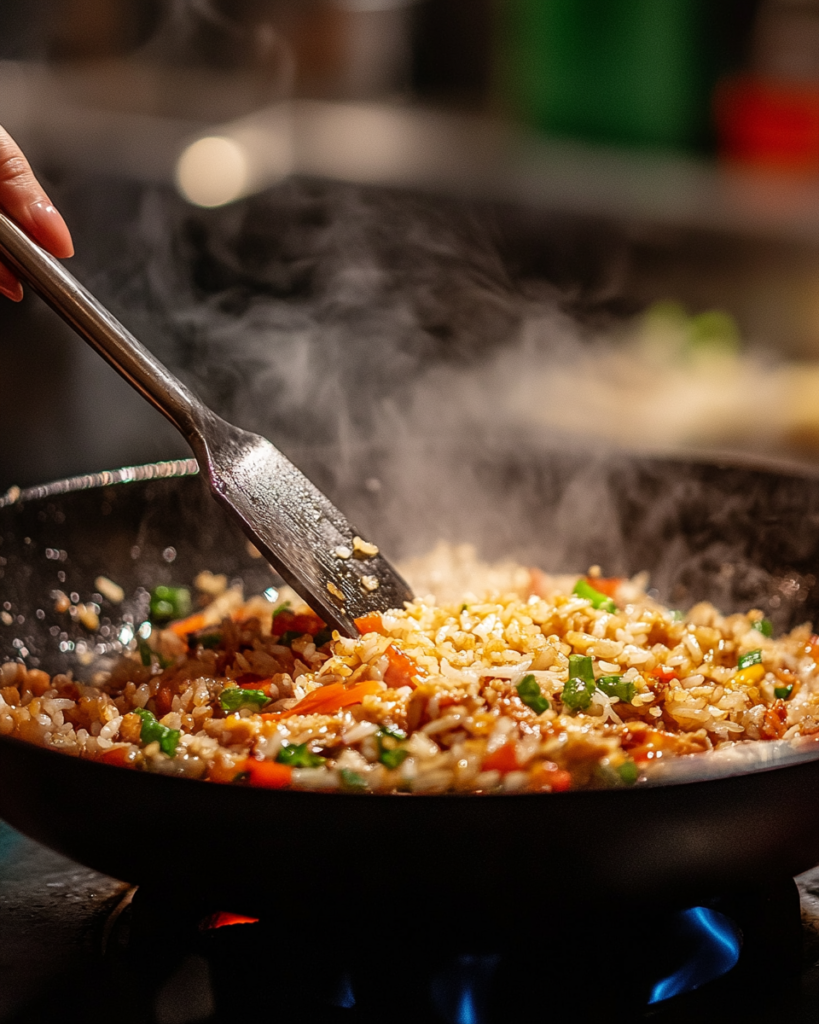
Place a large pan or wok over medium-high heat and add vegetable oil. Allow the oil to warm until it spreads easily across the surface. This helps prevent sticking when vegetables are added.

Add chopped onion and cook while stirring until it becomes soft and slightly golden at the edges. This stage builds a mild sweetness that forms the base of the dish. Stir in garlic and ginger, letting them cook briefly until aromatic without allowing them to darken.

Add diced carrot to the pan first since it takes longer to soften. Stir for a few minutes so it begins to tenderize while absorbing flavor from the oil and aromatics. Follow with bell pepper and green peas, mixing evenly so heat reaches all vegetables.

Push vegetables to one side of the pan if using egg. Crack the egg into the empty space and stir gently until it forms soft curds. Once cooked, mix it through the vegetables. If skipping egg, proceed directly to the rice step.

Add cooked rice to the pan, breaking up any clumps with a spatula. Stir continuously so the rice mixes evenly with vegetables. Keep heat steady so the rice warms through without becoming sticky.

Pour soy sauce and water over the mixture. Stir well so the liquid coats each grain of rice. The color will deepen slightly as the sauce spreads through the pan. Add black pepper and adjust salt carefully since soy sauce already adds saltiness.

Continue stirring for several minutes until the rice is evenly heated and slightly toasty in aroma. The texture should remain separate and light rather than wet or heavy.

Remove from heat and finish with chopped green onion. Serve while warm for best texture and flavor balance.

Tips, Variations & Substitutions

Cold rice from the refrigerator works especially well because it separates easily in the pan. If using freshly cooked rice, allow it to cool completely before cooking to prevent clumping.

Vegetables can be adjusted based on availability. Cabbage, zucchini, mushrooms, or corn all work within this dish. Cut vegetables into small, even pieces so they cook at a similar rate.

Soy sauce can be replaced with tamari for a gluten-free option. A small splash of sesame oil at the end adds a nutty aroma without changing the core structure of the dish.

For added protein, cooked chicken, shrimp, or tofu can be stirred in during the final cooking stage. Each option blends easily with the rice without requiring separate preparation steps.

A pinch of chili flakes or chopped fresh chili can bring heat for those who prefer stronger flavor. Lime juice can be added at the end for light acidity that lifts the overall taste.

Serving Ideas & Occasions

This rice stir fry fits well into lunch boxes, quick evening meals, or casual family dinners. It pairs nicely with simple sides such as cucumber slices, fresh salad, or light soup.

It also works as a base dish for larger spreads where multiple small plates are served together. Because it cooks in one pan, it suits situations where preparation space or cooking equipment is limited.

Warm serving brings the best texture, but it also holds up well for later reheating, making it practical for meal preparation across several days.

Nutritional & Health Notes

This dish offers a balanced mix of carbohydrates from rice, fiber from vegetables, and optional protein from egg or added ingredients. It can be adjusted to suit different dietary patterns by changing oil amount or vegetable ratio.

Using a variety of vegetables increases fiber and micronutrient intake. The dish remains light while still providing steady energy due to the rice base.

Sodium levels depend mainly on soy sauce quantity, so small adjustments can tailor it to personal preference. Adding more vegetables increases volume without significantly increasing calorie content.

FAQs

Can I use freshly cooked rice instead of chilled rice?

Yes, freshly cooked rice can be used, but it should be cooled before cooking. Spreading it on a tray helps release steam so the grains separate more easily. Warm, moist rice tends to clump in the pan, which can affect texture. Slightly dry rice allows the stir frying process to coat each grain evenly with sauce and oil.

Which vegetables work well in this dish?

Carrots, peas, bell peppers, onions, corn, and green beans all work well. The key is cutting them into small, even pieces so they cook at a similar pace. Softer vegetables can be added later in the cooking process, while firmer ones should go in earlier to allow enough time to soften.

Can this recipe be made without soy sauce?

Soy sauce provides the main seasoning, but it can be replaced with tamari or coconut aminos. A small amount of salt mixed with a splash of broth can also work. The goal is to maintain a savory coating that lightly seasons the rice without making it too dry or too wet.

How can I add protein to this meal?

Cooked egg is the easiest option and blends directly into the rice. Tofu cubes, cooked chicken, or shrimp can also be added. These should be pre-cooked before entering the pan so they only need to warm through and absorb flavor from the sauce and vegetables.

Why does my fried rice turn sticky?

Sticky rice usually comes from excess moisture. Fresh rice that has not cooled or rice with high water content can clump during cooking. Using chilled rice or letting fresh rice cool fully before cooking helps keep grains separate and light in texture.

Can I prepare this dish in advance?

Yes, this dish stores well in a sealed container in the refrigerator. It can be reheated in a pan with a small splash of water or oil to restore texture. It is often prepared ahead for lunch or quick dinners due to its simple cooking process.

What oil works best for stir frying?

Neutral oils such as vegetable oil, sunflower oil, or canola oil work well because they handle high heat without changing the flavor of the dish. A small amount is enough to coat the pan and cook the vegetables evenly without making the rice heavy.

………………..

[rank_math_breadcrumb]

Simple Veggie Rice Stir Fry 7 Easy Cozy Bowl

Photo of author
Author: Madison
Published:

Simple Veggie Rice Stir Fry (Budget Friendly) arrives as a warm, colorful rice dish packed with everyday vegetables and pan-tossed flavor. This dish fits a busy kitchen where basic pantry items turn into a filling plate with minimal effort and cost. Cooked rice meets crisp vegetables in a hot pan, creating a mix of textures that works for lunch or dinner.

This recipe keeps preparation straightforward while still delivering a satisfying meal that feels complete on its own. Each bite brings soft rice, tender vegetables, and a light savory coating that ties everything together. It works well for using leftover rice and common produce found in most kitchens.

Ingredients Overview

This veggie rice stir fry relies on cooked rice as the foundation. Day-old rice works especially well because the grains stay separate and do not turn mushy in the pan. Freshly cooked rice can be used after cooling on a tray so excess moisture reduces.

Vegetables bring color, texture, and natural sweetness. Carrots add gentle crunch, bell peppers bring mild brightness, peas offer soft pops of texture, and onions provide depth when cooked until slightly golden. You can adjust vegetable choices based on what is available, such as corn, green beans, or cabbage.

Garlic and ginger create aromatic depth. They cook quickly in oil and form the base layer of flavor before the vegetables enter the pan. Soy sauce adds savory saltiness and helps coat the rice evenly. A small amount of oil is enough to carry heat and prevent sticking.

Optional additions like scrambled egg or tofu can increase protein content without changing the core structure of the dish. A light sprinkle of black pepper or chili flakes can add gentle heat for those who prefer a stronger taste.

The combination of these ingredients creates a balanced bowl where starch, vegetables, and seasoning come together in a single pan without complex steps or equipment.

Ingredients

2 cups cooked white rice (preferably chilled)
2 tablespoons vegetable oil
1 small onion, finely chopped
2 cloves garlic, minced
1 teaspoon grated ginger
1 medium carrot, diced small
1/2 cup green peas
1/2 cup bell pepper, chopped
2 tablespoons soy sauce
1 tablespoon water
1/4 teaspoon black pepper
1 egg (optional)
1 tablespoon chopped green onion for garnish
Salt to taste

Step-by-Step Instructions

Place a large pan or wok over medium-high heat and add vegetable oil. Allow the oil to warm until it spreads easily across the surface. This helps prevent sticking when vegetables are added.

Add chopped onion and cook while stirring until it becomes soft and slightly golden at the edges. This stage builds a mild sweetness that forms the base of the dish. Stir in garlic and ginger, letting them cook briefly until aromatic without allowing them to darken.

Add diced carrot to the pan first since it takes longer to soften. Stir for a few minutes so it begins to tenderize while absorbing flavor from the oil and aromatics. Follow with bell pepper and green peas, mixing evenly so heat reaches all vegetables.

Push vegetables to one side of the pan if using egg. Crack the egg into the empty space and stir gently until it forms soft curds. Once cooked, mix it through the vegetables. If skipping egg, proceed directly to the rice step.

Add cooked rice to the pan, breaking up any clumps with a spatula. Stir continuously so the rice mixes evenly with vegetables. Keep heat steady so the rice warms through without becoming sticky.

Pour soy sauce and water over the mixture. Stir well so the liquid coats each grain of rice. The color will deepen slightly as the sauce spreads through the pan. Add black pepper and adjust salt carefully since soy sauce already adds saltiness.

Continue stirring for several minutes until the rice is evenly heated and slightly toasty in aroma. The texture should remain separate and light rather than wet or heavy.

Remove from heat and finish with chopped green onion. Serve while warm for best texture and flavor balance.

Tips, Variations & Substitutions

Cold rice from the refrigerator works especially well because it separates easily in the pan. If using freshly cooked rice, allow it to cool completely before cooking to prevent clumping.

Vegetables can be adjusted based on availability. Cabbage, zucchini, mushrooms, or corn all work within this dish. Cut vegetables into small, even pieces so they cook at a similar rate.

Soy sauce can be replaced with tamari for a gluten-free option. A small splash of sesame oil at the end adds a nutty aroma without changing the core structure of the dish.

For added protein, cooked chicken, shrimp, or tofu can be stirred in during the final cooking stage. Each option blends easily with the rice without requiring separate preparation steps.

A pinch of chili flakes or chopped fresh chili can bring heat for those who prefer stronger flavor. Lime juice can be added at the end for light acidity that lifts the overall taste.

Serving Ideas & Occasions

This rice stir fry fits well into lunch boxes, quick evening meals, or casual family dinners. It pairs nicely with simple sides such as cucumber slices, fresh salad, or light soup.

It also works as a base dish for larger spreads where multiple small plates are served together. Because it cooks in one pan, it suits situations where preparation space or cooking equipment is limited.

Warm serving brings the best texture, but it also holds up well for later reheating, making it practical for meal preparation across several days.

Nutritional & Health Notes

This dish offers a balanced mix of carbohydrates from rice, fiber from vegetables, and optional protein from egg or added ingredients. It can be adjusted to suit different dietary patterns by changing oil amount or vegetable ratio.

Using a variety of vegetables increases fiber and micronutrient intake. The dish remains light while still providing steady energy due to the rice base.

Sodium levels depend mainly on soy sauce quantity, so small adjustments can tailor it to personal preference. Adding more vegetables increases volume without significantly increasing calorie content.

FAQs

Can I use freshly cooked rice instead of chilled rice?

Yes, freshly cooked rice can be used, but it should be cooled before cooking. Spreading it on a tray helps release steam so the grains separate more easily. Warm, moist rice tends to clump in the pan, which can affect texture. Slightly dry rice allows the stir frying process to coat each grain evenly with sauce and oil.

Which vegetables work well in this dish?

Carrots, peas, bell peppers, onions, corn, and green beans all work well. The key is cutting them into small, even pieces so they cook at a similar pace. Softer vegetables can be added later in the cooking process, while firmer ones should go in earlier to allow enough time to soften.

Can this recipe be made without soy sauce?

Soy sauce provides the main seasoning, but it can be replaced with tamari or coconut aminos. A small amount of salt mixed with a splash of broth can also work. The goal is to maintain a savory coating that lightly seasons the rice without making it too dry or too wet.

How can I add protein to this meal?

Cooked egg is the easiest option and blends directly into the rice. Tofu cubes, cooked chicken, or shrimp can also be added. These should be pre-cooked before entering the pan so they only need to warm through and absorb flavor from the sauce and vegetables.

Why does my fried rice turn sticky?

Sticky rice usually comes from excess moisture. Fresh rice that has not cooled or rice with high water content can clump during cooking. Using chilled rice or letting fresh rice cool fully before cooking helps keep grains separate and light in texture.

Can I prepare this dish in advance?

Yes, this dish stores well in a sealed container in the refrigerator. It can be reheated in a pan with a small splash of water or oil to restore texture. It is often prepared ahead for lunch or quick dinners due to its simple cooking process.

What oil works best for stir frying?

Neutral oils such as vegetable oil, sunflower oil, or canola oil work well because they handle high heat without changing the flavor of the dish. A small amount is enough to coat the pan and cook the vegetables evenly without making the rice heavy.

………………..

Name

Lorem ipsum dolor sit amet, consectetur adipiscing elit. Suspendisse varius enim in eros elementum tristique. Duis cursus, mi quis viverra ornare, eros dolor interdum nulla, ut commodo diam libero vitae erat.

You Might Also Like...

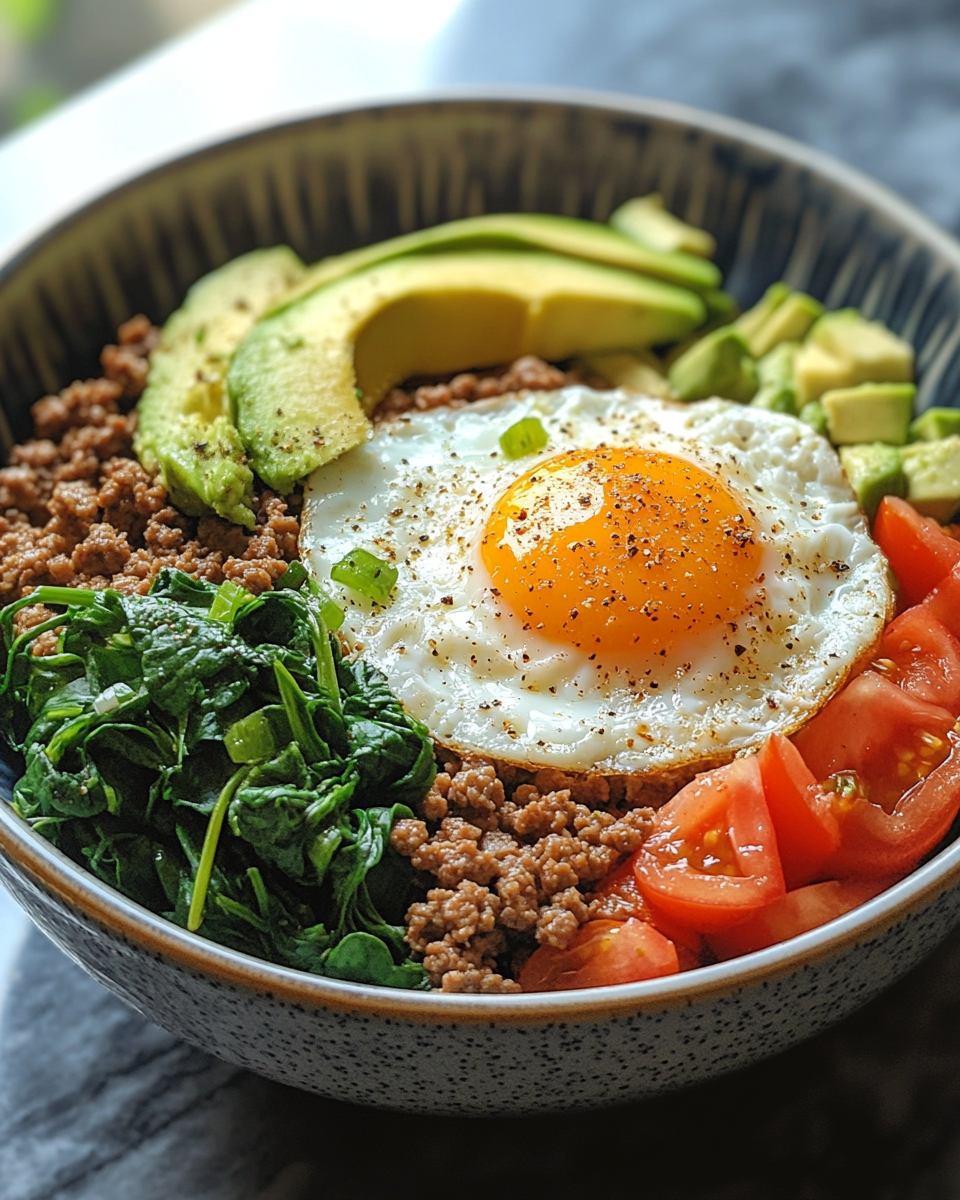
Healthy Ground Beef Egg Bowl (High Protein) 2 Simple Fresh

Healthy Ground Beef Egg Bowl (High Protein) 2 Simple Fresh

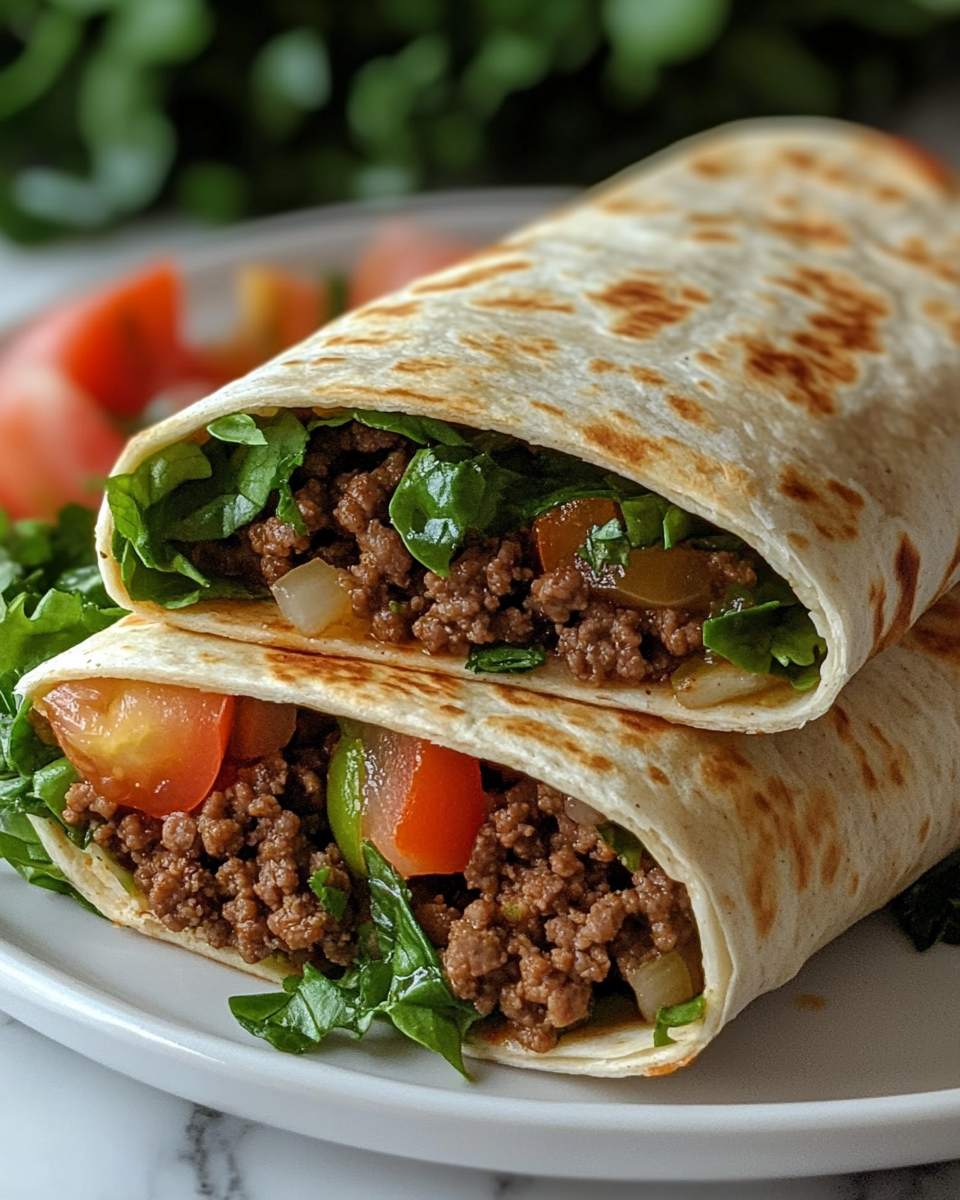
Healthy Ground Beef Wrap (Quick & Easy) 5 Simple Delicious Wraps

Healthy Ground Beef Wrap (Quick & Easy) 5 Simple Delicious Wraps

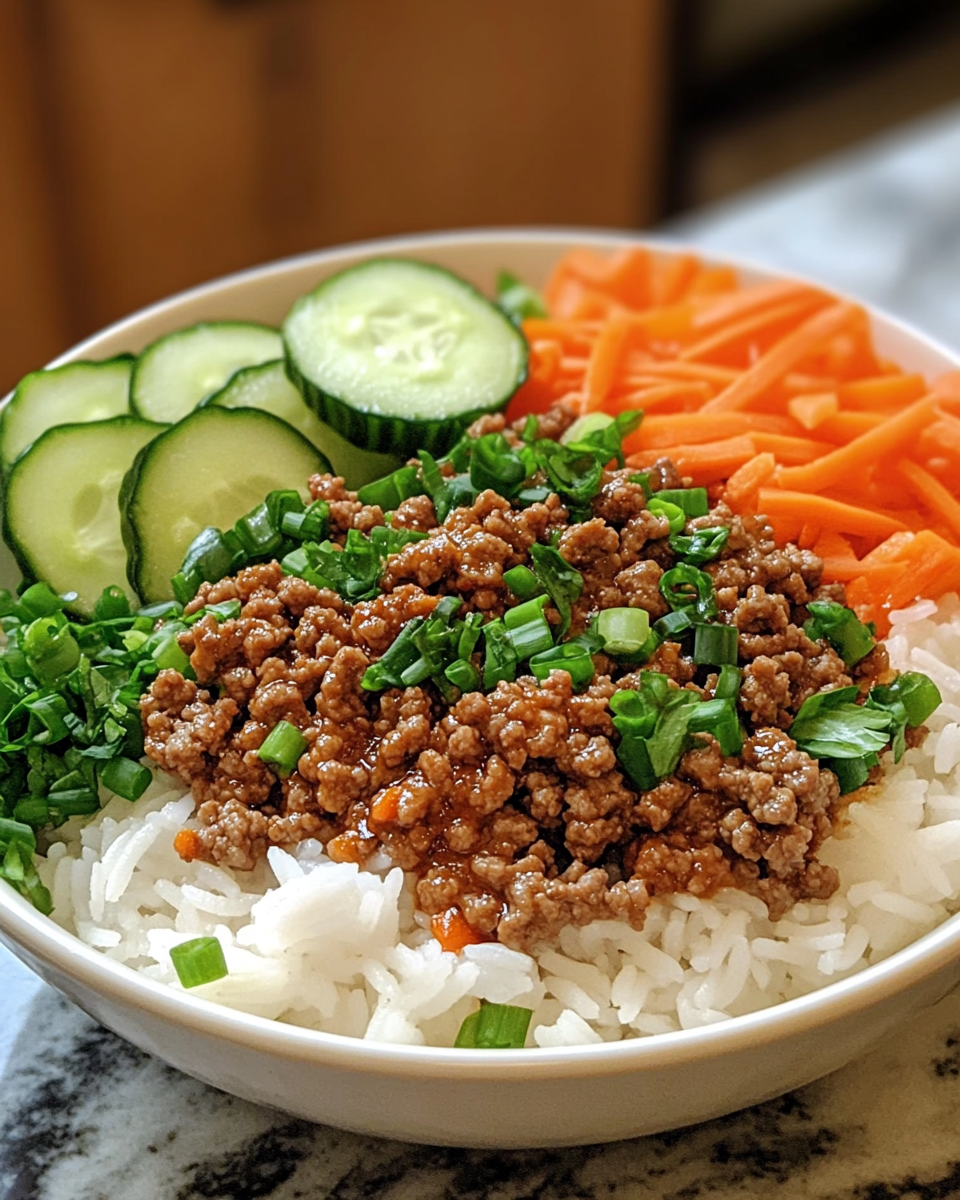
Easy Ground Beef Rice Bowl Recipe 5 Simple Savory

Easy Ground Beef Rice Bowl Recipe 5 Simple Savory

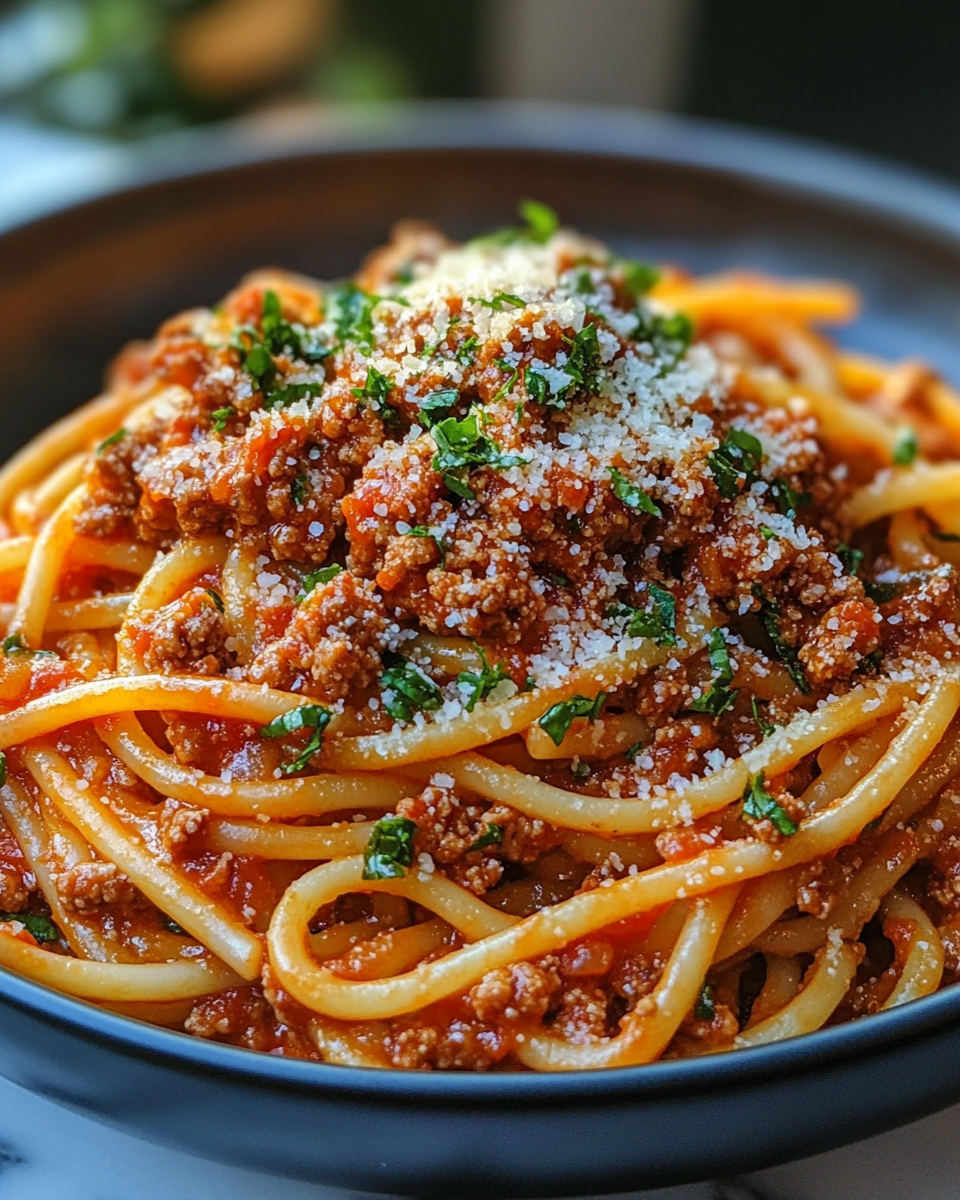
High Protein Ground Beef Pasta Meal 5 Simple Hidden

High Protein Ground Beef Pasta Meal 5 Simple Hidden

Tags:

You might also like these recipes

Leave a Comment