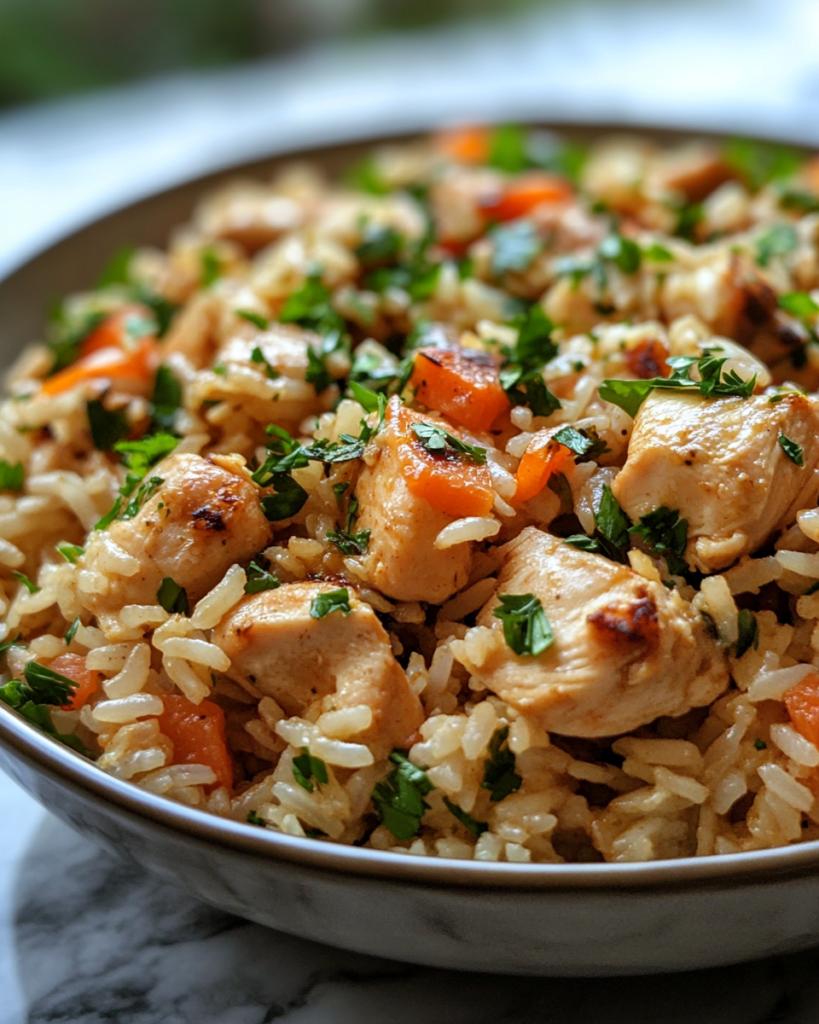
A Cheap Chicken and Rice One Pot Family Dinner brings together tender chicken, fluffy rice, and savory seasoning in a single pot for a satisfying meal that works well for busy evenings. This dish focuses on budget-friendly ingredients that stretch across multiple servings while still delivering deep flavor in every bite.
The chicken simmers gently with rice, allowing the grains to soak up rich broth and seasoning as everything cooks together. The result is a hearty, warming dish that feels homey and practical without requiring complicated cooking steps or special equipment.
This style of cooking is especially useful when time is limited and cleanup needs to stay minimal. Everything cooks in the same pot, so flavors build naturally while reducing dishes afterward. It is a dependable meal for families, meal prep, or casual gatherings.
Ingredients Overview
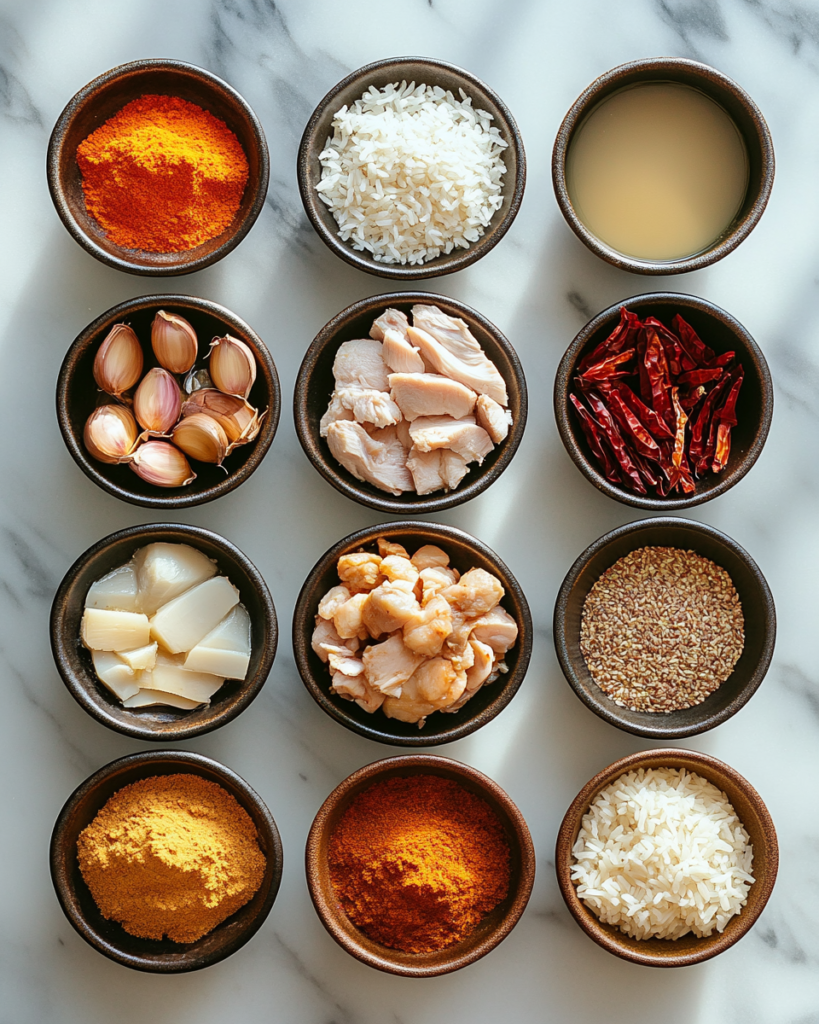
Chicken and rice form the foundation of this dish, and each ingredient plays a specific role in creating balance. Chicken thighs are often preferred because they stay tender during simmering and release natural juices that enrich the rice. Chicken breast can also be used for a leaner option, though it may cook slightly faster.
Long-grain rice works best because it keeps its structure and absorbs broth evenly without turning mushy. Short-grain rice can be used, but it produces a softer texture. The cooking liquid, usually chicken broth, infuses the grains with savory depth and helps distribute seasoning throughout the pot.
Onion and garlic provide aromatic depth at the base of the dish. As they cook, they soften and blend into the broth, building a flavorful foundation. Carrots or peas can be added for color and mild sweetness, making the meal more balanced.
Seasonings such as paprika, black pepper, and dried herbs add warmth and subtle complexity. A small amount of oil or butter helps sauté the aromatics and improves richness. Salt ties everything together, though it should be adjusted based on the salt level of the broth used.
This combination creates a practical, filling meal that stretches ingredients while maintaining satisfying flavor in each serving.
Ingredients
1 ½ pounds chicken thighs, boneless and skinless
1 ½ cups long-grain white rice
1 medium onion, diced
3 cloves garlic, minced
2 tablespoons vegetable oil
3 cups chicken broth
1 medium carrot, diced
1 teaspoon paprika
1 teaspoon dried thyme
½ teaspoon black pepper
1 teaspoon salt (adjust based on broth)
1 cup frozen peas
2 tablespoons chopped parsley
Step-by-Step Instructions
Begin by preparing all ingredients before cooking. Dice the onion, mince the garlic, and cut the chicken into bite-sized pieces. Rinse the rice under cold water until the water runs mostly clear to remove excess starch. This step helps keep the grains separate during cooking.
Place a large pot over medium heat and add vegetable oil. Once the oil warms, add the chicken pieces. Cook for several minutes until the surface develops light browning. This step adds depth to the final dish. Remove the chicken from the pot and set aside.
In the same pot, add onion and carrot. Cook until the onion softens and becomes slightly translucent. Stir in garlic and cook briefly until fragrant, being careful not to let it burn. This forms the aromatic base of the dish.
Return the chicken to the pot and sprinkle in paprika, thyme, black pepper, and salt. Stir to coat the ingredients evenly. Add the rice and mix so it absorbs some of the seasoning and oil.
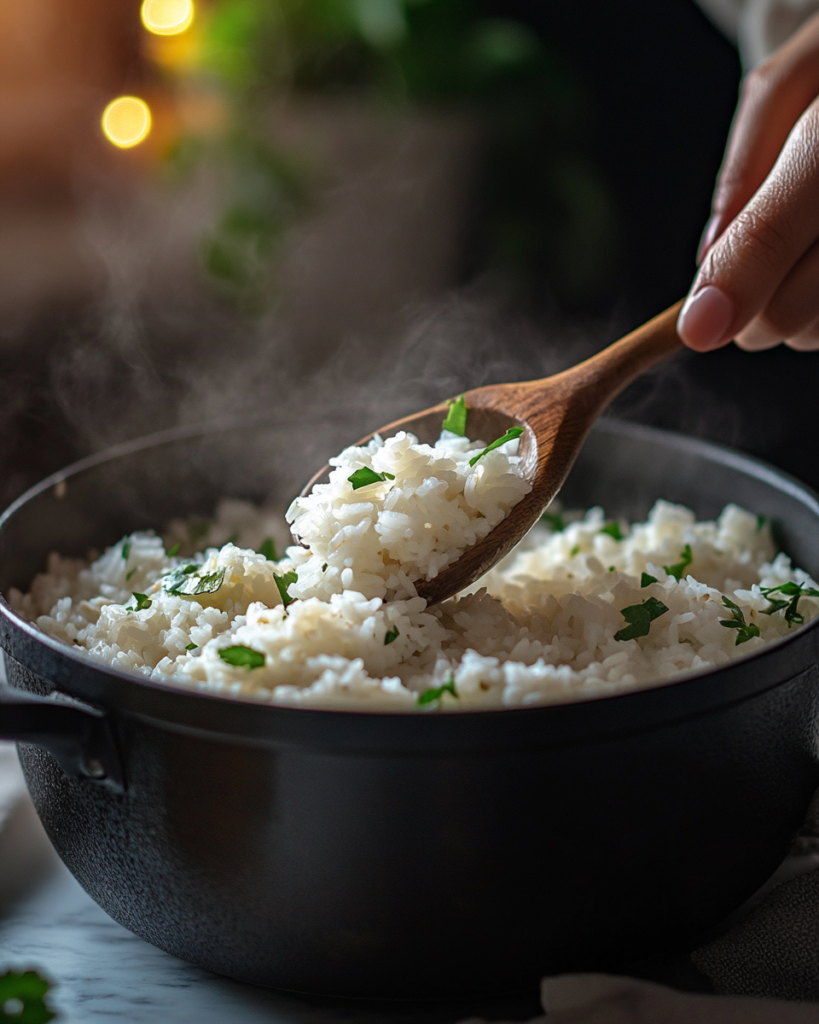
Pour in chicken broth and bring the mixture to a gentle boil. Once boiling, reduce the heat to low and cover the pot with a lid. Allow it to simmer for about 18 to 20 minutes. Avoid stirring during this stage so the rice can cook evenly.
When the liquid is mostly absorbed, add frozen peas and gently fold them into the rice. Cover again and let the pot sit off heat for a few minutes so the peas warm through and the rice finishes absorbing remaining moisture.
Check texture before serving. The rice should be tender, and the chicken fully cooked through. Sprinkle chopped parsley on top before serving for a fresh finish.
Common issues include overcooking the rice or using too much liquid. Keeping heat low during simmering helps maintain proper texture.
Tips, Variations & Substitutions
Chicken thighs provide richer flavor, but chicken breast can be used for a leaner version. If using breast meat, reduce cooking time slightly to prevent dryness.
Brown rice can replace white rice, though it requires additional broth and longer simmering time. Adjust liquid gradually to maintain proper texture without making the dish watery.
Vegetables such as bell peppers, corn, or green beans can be added based on preference. These additions bring color and variety without changing the core structure of the meal.
For deeper flavor, a small amount of tomato paste can be stirred in during the sauté stage. It adds mild acidity and richness without overpowering the dish.
Fresh herbs like parsley or cilantro added at the end brighten the overall flavor. Dried herbs can be used during cooking for a more subtle herbal tone.
Serving Ideas & Occasions
This chicken and rice dish pairs well with simple sides such as steamed vegetables or a light salad. The mild, savory profile also works with roasted greens or sautéed spinach for added balance.
It fits well into weekday dinners, meal prep routines, or casual family meals where a filling dish is preferred without extensive preparation. The single-pot method also makes it convenient for gatherings where large portions are needed.
A light sauce or yogurt-based topping can be served on the side for added creaminess. Lemon wedges also pair nicely, offering brightness that contrasts the savory rice and chicken.
Nutritional & Health Notes
This dish provides a balance of protein, carbohydrates, and moderate fats, making it suitable for a filling main meal. Chicken supplies protein that supports satiety, while rice offers energy through complex carbohydrates.
Adding vegetables increases fiber content and improves overall nutritional balance. Carrots and peas contribute vitamins and natural sweetness without adding heaviness.
Using skinless chicken and controlling added oil helps keep the dish lighter. Broth choice can also affect sodium levels, so selecting a lower-sodium option may be beneficial for those monitoring salt intake.
Portion control allows this meal to fit into a wide range of dietary needs while still providing comfort and satisfaction.
FAQs
Can I use brown rice instead of white rice?
Brown rice can replace white rice in this dish, though it requires a longer cooking time and additional liquid. It has a firmer texture and a slightly nutty flavor. To avoid undercooked grains, extend simmering time and check liquid levels periodically. Adding extra broth in small amounts helps maintain the right consistency without making the dish too wet.
What type of chicken works best for this recipe?
Chicken thighs are often preferred because they remain tender during simmering and add more flavor to the rice. Chicken breast can also be used, but it cooks faster and may become dry if overcooked. Cutting the chicken into even pieces helps it cook uniformly regardless of the cut chosen.
Can vegetables be added to this dish?
Yes, vegetables such as peas, carrots, corn, or green beans can be included. They add color, texture, and nutritional balance. Frozen vegetables are especially convenient and can be added near the end of cooking so they retain their shape and flavor without becoming too soft.
How do I prevent rice from becoming mushy?
Rinsing the rice before cooking helps remove excess starch that can cause clumping. Keeping the heat low during simmering also prevents overcooking. Avoid stirring the rice while it cooks so the grains maintain their structure. Proper liquid measurement plays an important role in texture as well.
Can this dish be prepared in advance?
Yes, it stores well and can be prepared ahead of time. Once cooled, it can be kept in a sealed container in the refrigerator and reheated as needed. Adding a small splash of broth during reheating helps restore moisture and keeps the rice from drying out.
Is this recipe suitable for freezing?
This dish can be frozen in portions for later use. It is best stored in airtight containers to maintain texture and flavor. When reheating, thaw it first and warm gently with a little added liquid to restore softness.
How can I add more flavor to the dish?
Flavor can be enhanced by browning the chicken well at the start, using a rich chicken broth, and adding herbs such as thyme or parsley. A small amount of tomato paste or lemon juice can also deepen flavor without overpowering the dish.